


 May 21, 2026
Car Dust Protection
for Lucknow Roads.
Why Your Car Looks Older
Last updated: 21 May 2026. Reading time: 12 minutes.
Think of a car you have seen that is only three or four years old but somehow looks much older. The shape is modern, the model is recent, yet the paint looks tired, flat and faintly hazy. It is a common sight on Lucknow roads, and there is usually a single, quiet reason behind it.
That reason is dust, and more precisely, the way dust and a car meet every day in a city like ours.
This guide is a friendly, practical look at car dust protection for Lucknow roads, and it sets out to explain something most owners never quite realise. Dust is not simply a surface nuisance to be wiped away. The way we live with it is one of the main reasons a car begins to look older than its years. There is nothing to decide here, only a genuinely useful thing to understand.
1. The car that looks older than it is. Why this guide matters
It is worth beginning with something many owners feel but few examine, the gap between how old a car is and how old it looks.
A familiar sight on our roads
Across Lucknow you will see cars that are genuinely recent yet look weary. The paint has lost its glow, the colour seems shallow, and a faint cloudiness sits over the panels in sunlight. The car is young, but it does not look it.
The usual reason behind it
In most of these cases the cause is not age, not the sun alone, and not a single dramatic event. It is dust, and the slow, daily relationship between a car and the dust of a busy, dry city. That relationship, more than the years, is what has aged the finish.
What this guide will explain
This guide explains how that happens, in plain and honest terms. It looks at what dust really is, how it actually harms paint, and why the damage shows up as a car that simply looks old. It is an explanation, not a sales pitch.
Implications of never knowing this
An owner who never understands the link between dust and a tired finish will keep doing the very things that cause it, often while believing they are caring for the car. The knowledge itself is what breaks that cycle.
Steps to take now
Read on with your own car in mind. By the end you will see your car, and the dust on it, with clearer eyes, and that understanding is the whole purpose of this guide.
2. Lucknow and dust. Why this city is a dusty place
To understand dust and your car, it helps to first accept how much dust a Lucknow car genuinely lives with.
Where the dust comes from
Lucknow generates dust from many sources at once. The dry plains of the region carry fine dust in the air, construction across a growing city adds more, and busy roads throw up a constant haze of traffic dust. Hot, dry winds in the summer carry it further, and the months around the monsoon leave their own dusty residue.
A year round companion
The result is that dust is not a seasonal visitor in Lucknow. It is a near constant companion. A car may be parked clean in the evening and wear a visible film of dust by the next morning. For a Lucknow car, dust is simply part of daily life.
How the dust meets your car
That dust settles on every horizontal and vertical panel, drawn down by still air and by the dew of cooler mornings. It does not stay neatly in place either. It is disturbed and moved every time the car is driven, touched or cleaned.
Implications of constant exposure
Because the exposure is constant, the way an owner responds to dust is not a small matter. A habit repeated against a daily film of dust, day after day for years, has a large cumulative effect. Constant exposure makes the response matter.
Steps to see your own situation
Simply notice how quickly your own car gathers dust after a wash. That speed is the reality this guide is written for, and it is why understanding dust is genuinely worthwhile for any Lucknow owner.
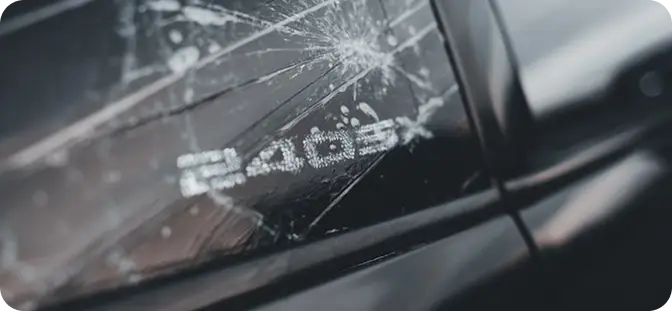
3. What dust actually is, and why it matters for paint
Dust is so familiar that we rarely think about what it is made of. For a car's paint, that detail matters a great deal.
Dust is not as soft as it looks
Settled dust looks soft, like a gentle grey powder that could be brushed away with a feather. In truth, road and environmental dust contains a large amount of fine mineral and sand particles. On a microscopic level, many of these particles are hard, with sharp edges.
Why hardness matters for paint
This hardness is the key point. A car's clear coat, the protective top layer of the paint, is relatively soft compared with hard mineral grit. When a hard particle is pressed and moved across a softer surface, it can cut a fine line into it. Dust, despite its gentle appearance, is genuinely capable of scratching paint.
How dust settles on a car
Dust does not bond to a clean, healthy finish immediately. At first it simply rests on the surface, held by static and by light moisture. In this resting state it is harmless. It is only loose powder sitting on top of the paint. What happens next is what decides whether it does damage.
Implications of misjudging dust
The common mistake is to see dust as soft and therefore harmless, and to treat it casually. That misjudgement is the root of most dust related paint damage. Dust that is simply sitting there is not the problem. Dust that is handled wrongly is.
Steps to think about dust rightly
Begin to think of settled dust as a layer of very fine grit rather than soft powder. With that more accurate picture in mind, the next section explains exactly how the damage happens.
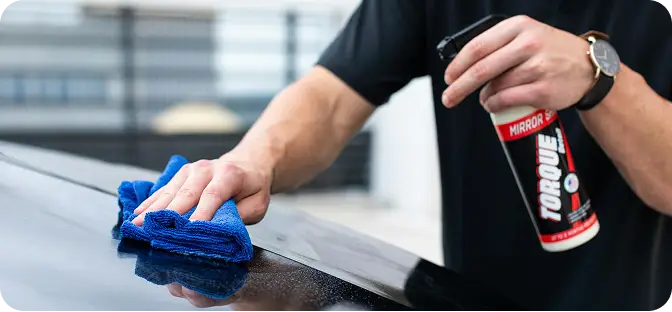
4. The real damage. How dust ages your car's paint
This section is the heart of the guide, and it contains the one insight that changes how an owner treats a dusty car.
The harm is not the landing
Here is the point that surprises most owners. Dust landing on your car does almost no harm at all. While it sits there as loose powder, the paint underneath is untouched. The damage does not happen when dust arrives. It happens when dust is removed in the wrong way.
The innocent quick dust off
Picture the most ordinary scene. A car wears a light film of dust, and the owner, wanting it to look presentable, takes a dry cloth, a duster or even a hand, and wipes the dust away. It feels like care. It looks harmless. It is, in fact, the single most common cause of dust damage to car paint.
What the dry cloth does to the clear coat
When a dry cloth is dragged across a dusty panel, it does not lift the grit cleanly off. It presses those hard mineral particles against the clear coat and drags them across it. Each particle cuts its own tiny line. One wipe leaves a faint pattern of fine scratches, invisible at a glance but real.
Implications of the daily wipe
Now repeat that across a Lucknow year. A car dusted dry every day, or several times a week, receives thousands of these tiny cutting actions. The fine scratches multiply and overlap until the clear coat carries a dense web of them. This, quietly accumulated, is the real damage that dust does.
Steps to rethink one habit
The single most valuable thing in this guide is simply this awareness. The dry dust off, the habit that feels like care, is the habit that ages the paint. Recognising that is the first and biggest step in genuine dust protection.
5. Why your car looks older. Swirl marks, haze and lost gloss
The previous section explained the damage. This one explains why that damage shows up as a car that looks old.
What swirl marks and haze are
The web of fine scratches left by dry wiping has a name. They are called swirl marks. Each one is a shallow, fine scratch in the clear coat. Individually they are too small to notice. Together, in their thousands, they form a faint haze across the paint.
Why they read as age
Healthy paint looks deep and glossy because light reflects off it cleanly. A surface covered in fine swirl marks scatters that light in every direction instead. The eye reads that scattered, hazy reflection as dullness, as a finish that has lost its life. And a dull, hazy finish is exactly what we instinctively read as an old car. The swirl marks are why a young car looks aged.
How it builds up unnoticed
The reason this is so easily missed is that it builds gradually. No single wipe makes a visible difference. The haze deepens by a fraction at a time, across months and years, so the owner never sees it happen. They simply notice, one day, that the car looks tired, without knowing when it changed.
Implications of letting it gather
Left to gather, the haze becomes the permanent look of the car. The paint beneath is often still sound, but the scratched clear coat over it makes the whole car look worn. The car is judged old on the strength of its dust haze alone.
Steps to recognise it
Look at your car in bright, direct sunlight, at an angle. If you see faint, swirling, cobweb like patterns in the shine, especially on the bonnet and boot, that is dust haze. Recognising it is the moment the rest of this guide becomes genuinely useful.
6. Car dust protection in practice. Simple good habits
Understanding the problem makes the solution simple. Protecting a car from dust is not hard work. It is mostly a matter of a few sensible habits.
Rinse, never dry wipe
This is the most important habit of all. Never remove dust from a car with a dry cloth, duster or hand. Instead, loosen and float the dust away with water first. A rinse lifts the grit off the surface so it is carried away rather than dragged across the paint. If you take only one habit from this guide, let it be this one.
Wash properly and gently
When you wash, do it in a way that respects the paint. Rinse the car first to remove loose dust, then use a gentle car shampoo and a soft, clean microfibre mitt. The two bucket method, one for soapy water and one to rinse the mitt, keeps grit away from the paint. Dry with a clean, soft microfibre cloth.
Deal with dust before it bonds
Loose, fresh dust rinses away easily. Dust left for a long time, through dew and humidity, can begin to bond to the surface and become harder to remove safely. Washing reasonably regularly, rather than letting dust sit for weeks, keeps it in the easy to remove stage.
Keep a protective layer on the paint
A protective layer, whether a simple wax or a longer lasting ceramic or graphene coating, sits over the clear coat. Dust then settles on that layer rather than directly on the paint, releases more easily when rinsed, and is less able to bond. A protective layer does not make a car immune to dust, but it makes living with dust considerably gentler on the finish.
Park with a little thought
Where a car sits matters too. Covered parking means less dust settling on the car in the first place, and less of the dew that helps dust cling. Even partial shelter reduces how much dust the car has to deal with each day.
7. The honest comparison. How people deal with dust
A useful way to bring this together is to look honestly at the everyday ways people deal with dust, and what each one actually does to the paint.
The dry duster or cloth
This is the most common method, and honestly the most harmful. A dry duster or cloth removes the visible dust quickly and makes the car look clean in a minute. But as section four explained, it does this by dragging hard grit across the clear coat, adding swirl marks every single time.
The quick splash and wipe
Some owners splash a little water on the car and then wipe it with a cloth. This is better than dry wiping, because some dust is loosened first. It is still not safe, though, because a quick splash rarely floats away all the grit, and the cloth can still drag remaining particles across the paint.
A proper, careful wash
A proper wash, with a thorough rinse first and a gentle technique after, is the genuinely safe way to remove dust. The rinse carries the grit away before any cloth touches the paint. It takes more time than a quick wipe, but it is the method that does not age the finish.
A protective layer underneath
Keeping a wax or coating on the paint does not remove dust by itself, but it changes everything underneath. Dust settles on the protective layer, releases more easily, and is kept off the vulnerable clear coat. It makes every wash safer and every bit of dust less of a threat.
| Common way of handling dust | What it does | Effect on the finish |
|---|---|---|
| Dry dusting or wiping with a cloth | Removes visible dust quickly | Drags grit across the paint, adding swirl marks each time |
| A quick splash of water and a wipe | Loosens some dust before wiping | Better than dry wiping, but remaining grit can still mar the paint |
| A proper rinse and gentle wash | Floats dust away before any cloth touches the paint | Safe for the finish, the way dust should be removed |
| Keeping a protective layer on the paint | Lets dust settle on the layer, not the clear coat | Dust releases more easily and the paint stays shielded |
What the comparison shows
Set side by side, the pattern is clear. The quickest methods are the ones that age the paint, and the safe methods simply ask for a little more time and care. Knowing this is what lets an owner choose well.
8. Conclusion. Confident car dust protection for Lucknow roads
The mystery of the car that looks older than it is turns out to have a simple answer. In a dusty city like Lucknow, it is rarely age that tires a finish. It is dust, and above all the habit of wiping dust away dry.
The dust itself, sitting as loose powder, does almost no harm. The harm comes when hard, fine grit is dragged across the soft clear coat, leaving the web of tiny scratches we call swirl marks. Gathered over years, that haze scatters light, dulls the paint, and makes a young car look old. None of it is dramatic, and all of it is quietly avoidable.
The protection is equally simple. Never dust a car dry, rinse before you wipe, wash gently and properly, keep a protective layer on the paint, and park with a little thought. These easy habits, and the awareness behind them, are genuinely enough to keep a finish looking its true age.
If you would like to carry the same easy awareness through the seasons, our summer car care guide for Lucknow and winter car care guide take the same friendly approach to heat, sun and fog. There is nothing here to decide today. If a question ever comes up about your car's finish, the friendly team at Colomoto is always happy to share honest advice with no pressure at all. Understood this way, car dust protection on Lucknow roads is simply a matter of knowing what dust really does, and treating your car accordingly.
Frequently asked questions
Dust sitting on a car as loose powder does almost no harm. The damage happens when dust is removed in the wrong way. Dust contains hard, fine mineral grit, and wiping it off with a dry cloth drags that grit across the paint, leaving tiny scratches. So dust damages paint mainly through how it is handled.
The most common reason is a build up of fine scratches, called swirl marks, in the clear coat. These usually come from wiping dust off dry over months and years. Together they form a haze that scatters light and dulls the finish, making a car look older than its actual age.
Swirl marks are very fine, shallow scratches in the clear coat, the protective top layer of a car's paint. Each is too small to see alone, but in their thousands they form a faint, cobweb like haze, most visible in direct sunlight, that makes the paint look dull rather than deep and glossy.
Yes, although it feels like care. A dry cloth does not lift dust cleanly. It presses the hard grit in the dust against the paint and drags it across the clear coat, cutting tiny scratches each time. Wiping dust off dry is the single most common cause of dust related paint damage.
The safe way is to loosen and float the dust away with water before any cloth touches the paint. Rinse the car first, then wash gently with a car shampoo and a soft, clean microfibre mitt, and dry with a clean microfibre cloth. Avoid dry dusting entirely.
A ceramic or graphene coating does not stop dust from settling, but it changes how dust behaves. Dust rests on the coating rather than directly on the clear coat, releases more easily when rinsed, and is less able to bond. This makes washing safer and living with dust gentler on the paint.
Lucknow gathers dust from several sources at once, including the dry plains of the region, ongoing construction across a growing city, and constant road and traffic dust. Hot, dry winds and the dry months add more. The result is that dust is a near constant presence on a Lucknow car.
Light dust haze and swirl marks sit in the clear coat and can often be improved by professional paint correction, which gently polishes the surface. It is far better, though, to prevent the damage through good habits, since prevention costs nothing and correction is a more involved process.
Helpful resources
For further reading on the conditions that affect car paint in Lucknow, these government sources are useful.
Resources We Used
This guide is based on industry-standard knowledge and real world car care experience from Lucknow. Here are some trusted sources if you want to explore further:
- India Meteorological Department The official source for Lucknow weather, dry spells and seasonal wind data, for understanding how Lucknow's climate creates constant dust exposure.
- Central Pollution Control Board Government air quality information that explains the dust and particulate load a Lucknow car faces, for quantifying the environmental pressure on a car's finish.
A friendly word about the dust on your car
This guide has simply been about understanding dust and what it does, and there is nothing you need to act on today. If a question ever comes up about your car's finish, or you would like friendly, honest advice with no pressure, the team at Colomoto is always happy to help. Call or message on +91 7388800192, email info@colomoto.in, or visit 323, Sultanpur Road, Arjunganj, Ahmamau, Lucknow, open Thursday to Tuesday between 9 am and 7 pm. The next time you see dust on your car, you will simply know how to treat it kindly.

