

 April 27, 2026
Ceramic Coating for
White and Dark Cars.
Colour Specific Advice
Last updated: 27 April 2026. Reading time: 13 minutes.
Ceramic coating white car or dark car. Why colour changes everything
You own a white car. Your friend has a black car. You both get the same ceramic coating from the same studio on the same day. 18 months later, your white car shows visible yellowing on the bonnet. Your friend's black car shows visible swirl marks across every panel. Same coating, same studio, same maintenance routine, completely different outcomes.
This is the colour reality that ceramic coating discussions rarely address. A ceramic coating white car has fundamentally different aging patterns than a black, dark grey, or navy car. The chemistry is identical. The visibility of aging effects is not. White and silver cars hide swirl marks but show yellowing, oxidation, and contamination prominently. Dark cars hide oxidation but show swirl marks, water spots, and dust film painfully. The right tier, application approach, and maintenance routine differ meaningfully based on your specific colour.
This blog gives you colour specific guidance for ceramic coating white car and ceramic coating dark car decisions. The physics of why colours age differently under coating. The 4 specific advantages of ceramic coating for white cars (oxidation prevention, easier maintenance, factory white preservation, resale value). The 4 specific advantages for dark cars (gloss enhancement, swirl mark prevention, depth of finish, wash marring resistance). The surface temperature differential that affects coating life. Tier recommendations that genuinely differ by colour. The silver and metallic middle category. Matte and satin paint considerations. And 5 specific car colour profiles with honest recommendations.
By the end you will know which ceramic coating tier and approach makes sense for your specific car colour. Not generic ceramic coating advice but colour matched ceramic coating guidance.
1. Why ceramic coating white car decisions differ from dark cars
The physics of how light interacts with paint determines what shows and what hides. This fundamental optics difference drives different ceramic coating decisions.
The light reflection difference
White paint reflects nearly all wavelengths of visible light. Black paint absorbs nearly all wavelengths. When a small chromatic shift occurs (such as yellowing chromophore formation), white cars show it dramatically because the white background provides high contrast. The same chromatic shift on black is invisible because there is no contrast.
The texture visibility difference
Swirl marks and micro scratches create surface texture that scatters light. On dark paint, this scattering creates visible patterns (the "spiderweb" effect under direct light). On light paint, the same scattering blends with the bright reflected light and appears as a subtle haze at most. White cars hide texture imperfections. Dark cars amplify them.
The contamination visibility difference
Dust, water spots, and contaminant residue all sit somewhere between white and black in colour. On a white car these contaminants are slightly darker than the surface, but the visual contrast is moderate. On a black car, contaminants are dramatically lighter than the surface, making every spot of dust, every water mark, and every dirt particle painfully obvious.
The heat absorption difference
Black and dark paints absorb visible light energy as heat. White paints reflect that same energy. In Lucknow's May heat, surface temperatures on a black car bonnet can reach 75 degrees Celsius. The same car bonnet in white runs 50 to 55 degrees. This 20 degree differential affects ceramic coating chemistry over years.
What this means for ceramic coating decisions
For a ceramic coating white car, the priority is preventing yellowing and oxidation that would show against the bright surface. For a ceramic coating dark car, the priority is preventing swirl marks and protecting the depth of paint that makes dark colours appealing.
The same coating delivers very different aging experiences depending on the surface it covers. Choosing tier, application approach, and maintenance routine should reflect this difference. Our ceramic coating cost in Lucknow guide covers tier specific pricing.
2. The 4 specific advantages of ceramic coating white car
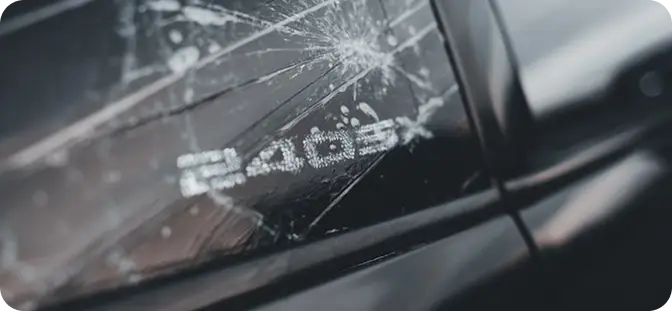
For white, pearl white, and very light cars, ceramic coating delivers 4 specific benefits that genuinely matter.
Advantage 1. Yellowing and oxidation prevention
Bare white paint develops yellow tint over years of UV exposure. The yellowing is mostly clear coat oxidation. Ceramic coating provides UV absorption that protects the underlying clear coat from this oxidation. A ceramic coating white car typically stays bright white for 5 to 7 years longer than uncoated white paint in Lucknow conditions.
This is the single most valuable benefit for white car owners. The visual difference between an aged white car and a protected one is dramatic. The protected car looks 5 years younger than the unprotected car at year 7 of ownership.
Advantage 2. Easier maintenance against visible dirt
White cars show dust, road dirt, and contamination clearly. Without ceramic coating, white car owners feel constant pressure to wash because the visual evidence of contamination is so obvious. With ceramic coating, the hydrophobic surface causes dirt to slide off more readily. The car stays visibly cleaner between washes. Practical maintenance burden reduces.
Advantage 3. Factory white shade preservation
Many premium car manufacturers use specific white shades that have subtle warmth or coolness (alpine white, frozen white, pearl white, oxford white, mineral white). These specific shades degrade differently than generic whites. Ceramic coating helps preserve the original factory shade against UV-induced colour shift. A coated BMW Alpine White at year 5 still looks like Alpine White. An uncoated one shifts toward generic white.
Advantage 4. Resale value preservation through clean appearance
The used car market values clean, well preserved white cars highly because the brightness and cleanliness immediately suggest good care. A 5 year old white car with intact ceramic coating commands a 5 to 10 percent price premium over an equivalent uncoated car in Lucknow's used car market because the visual presentation is markedly better.
What ceramic coating white car DOES NOT solve
Swirl marks become harder to see on white but they still form. The coating reduces but does not eliminate them.
Stone chips on white show as small dark spots. Coating does not prevent stone chip damage. For chip protection on a white car, PPF on high impact zones is essential.
Yellowing of plastic trim and headlights is a separate issue. Specific products address this, not ceramic coating on paint.
When ceramic coating white car is most valuable
White cars driven outdoors in heavy UV areas (Lucknow), white cars planning 5 plus year ownership, white cars where resale value is a concern, and pearl or premium white shades that command price premiums when preserved. All four conditions favour ceramic coating strongly.
3. The 4 specific advantages of ceramic coating for dark cars
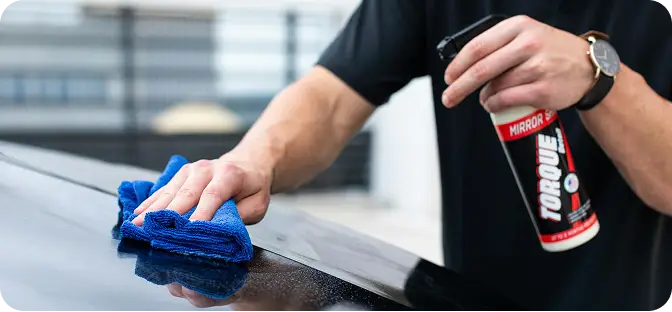
For black, dark grey, navy blue, dark green, and metallic dark colours, ceramic coating delivers different but equally significant benefits.
Advantage 1. Enhanced gloss and depth
Dark paints have inherent visual depth that comes from light penetration into the paint film before reflecting back. Ceramic coating amplifies this depth dramatically. A well coated black car develops a "wet look" or "liquid mirror" quality that is impossible to achieve with wax or polish alone. The visual transformation on dark cars is more dramatic than on light cars.
This aesthetic advantage is the primary driver for many dark car owners. The before and after of ceramic coating on a black car can look like two different cars.
Advantage 2. Swirl mark and micro scratch prevention
Dark cars famously show every imperfection. A white car owner washing roughly creates the same swirl marks but cannot see them. A black car owner washing identically creates visible swirl marks within months.
Ceramic coating provides a sacrificial layer that takes minor abrasions instead of the paint. The hard, slick surface also makes micro contamination during washing less likely. The combined effect is dramatically slower visible swirl mark accumulation. A coated black car at year 3 typically shows 30 to 50 percent fewer swirl marks than an uncoated black car at year 1.
Advantage 3. Reduced water spotting visibility
Dark cars show water spots more prominently than any other colour. Hard water mineral deposits leave faint white rings that are nearly invisible on white but glaringly obvious on black. Ceramic coating's hydrophobic properties reduce water spot formation by encouraging water to run off cleanly rather than spotting. The reduction is meaningful for dark car owners who battle water spots constantly.
Advantage 4. Heat reduction and paint preservation
Dark paints absorb significantly more heat than light paints in Lucknow summer. Surface temperatures of 75 degrees Celsius are common on black cars in May at midday. This heat accelerates paint degradation over years. Ceramic coating provides marginal heat reduction through UV reflection in its protective layer. The reduction is small (3 to 5 degrees typically) but cumulative over years.
What ceramic coating for dark cars DOES NOT solve
Existing swirl marks are amplified, not hidden. If the dark car has visible swirl marks before coating, paint correction must remove them first. Otherwise the coating locks in the imperfections permanently visible.
Stone chip damage on dark paint is highly visible. Ceramic coating does not prevent this. PPF on high impact zones is essential for serious dark car owners.
Heavy paint depth issues caused by factory paint quality are not corrected by ceramic coating.
When ceramic coating for dark cars is most valuable
Black or near-black cars where appearance is a priority. Performance cars where the "wet look" gloss adds visual drama. Show cars or weekend drivers where any imperfection bothers the owner. Cars where the dark colour was chosen specifically for the depth and gloss potential.
4. The surface temperature differential between white and dark cars
This is the technical reality that most ceramic coating discussions ignore but that affects coating life meaningfully in Lucknow.
The temperature numbers
Direct Lucknow sun at midday in May creates ambient temperatures of 42 to 45 degrees Celsius. Painted car surfaces in this sun reach significantly higher temperatures.
White car bonnet: 50 to 58 degrees Celsius. Silver car bonnet: 55 to 62 degrees. Light grey car bonnet: 60 to 68 degrees. Dark blue or burgundy bonnet: 65 to 72 degrees. Black car bonnet: 70 to 80 degrees.
The 20 to 30 degree differential between white and black is consistent across the panel surfaces, not just the bonnet.
Why this matters for ceramic coating chemistry
UV inhibitors in ceramic coatings are temperature sensitive. The chemical activity that depletes inhibitors accelerates with heat. Every 10 degree increase roughly doubles the chemical depletion rate. A black car coating loses UV protection chemistry roughly 4 to 5 times faster than a white car coating during peak summer months.
Over 5 years in Lucknow conditions, this temperature differential means a black car coating may show first UV-related degradation at year 3 to 4. The same coating on a white car may not show degradation until year 5 to 6.
What this means practically
For ceramic coating white car decisions: the coating delivers closer to its rated performance because thermal stress is lower. Tier 3 typically achieves 5 to 7 years of real performance instead of 3 to 5.
For ceramic coating dark car decisions: the coating shows earlier degradation due to thermal stress. Tier 3 may only achieve 3 to 4 years of full performance. Upgrading to Tier 4 (which has more robust UV inhibitor chemistry) becomes more justifiable on dark cars than on light cars.
Other panel implications
The temperature differential is most extreme on horizontal panels (bonnet, roof). Vertical panels (doors, fenders) see less direct sun and smaller temperature differences. Side panels often outlast horizontal panels by 12 to 24 months in coating performance regardless of colour. Both white and dark car owners see bonnet coating fail first.
How to factor this into your purchase decision
If you have a dark car, lean toward higher tier coating (Tier 4 minimum for Lucknow conditions). If you have a white car, Tier 3 is genuinely sufficient for most use cases. The same budget can buy a Tier 3 coating for a white car that delivers 5 years, or a Tier 4 coating for a dark car that delivers 4 to 5 years. The Tier 4 spend on the dark car is justified by the harsher thermal conditions.
5. Ceramic coating tier recommendations by car colour
Based on the visibility and temperature factors above, here are honest tier recommendations by car colour for Lucknow conditions.
White, pearl white, very light colours
Tier recommendation: Tier 3 (Gtechniq Crystal Serum Light, GYEON Q2 Syncro, CarPro CQuartz Professional, SunTek Ultra).
Why: Yellowing resistance is the primary concern. Tier 3 has adequate UV inhibitors to prevent visible yellowing for 5 to 7 years in Lucknow conditions. The visible aging effect on white (yellowing) is well addressed by Tier 3 chemistry.
Upgrade to Tier 4 if: You plan 7 plus year ownership. The car is a luxury white shade (BMW Alpine, Mercedes Mineral White, etc.) where preserved factory shade affects resale. You park entirely outdoors with no covered parking option.
Silver, light grey, light beige, champagne
Tier recommendation: Tier 3 ceramic coating.
Why: Silver and light grey are the most forgiving colours for ceramic coating. They hide swirl marks, hide minor yellowing for longer than white, and the temperature absorption is moderate. Tier 3 delivers full value.
Upgrade to Tier 4 if: The car is high value (luxury silver shades) or 5 plus year ownership.
Dark grey, navy blue, dark green, burgundy
Tier recommendation: Tier 4 ceramic coating.
Why: Dark colours show swirl marks more visibly than mid colours. Heat absorption is moderate to high. The premium for Tier 4 over Tier 3 is justified by visible swirl mark prevention and longer durability in higher temperatures.
Upgrade to Tier 5 if: Performance car, luxury car kept long term, or collector status where aesthetic priority is high.
Black, near-black metallic, charcoal
Tier recommendation: Tier 4 ceramic coating minimum.
Why: Black shows every imperfection. Heat absorption is highest. Tier 3 coatings often fail in 3 to 4 years in Lucknow conditions on black cars due to thermal stress. Tier 4 (Gtechniq Crystal Serum Ultra, Ceramic Pro Multi-Layer, Modesta) delivers more robust UV chemistry and longer durability under thermal load.
Tier 5 strongly recommended for: Luxury black cars (BMW 7 Series, Mercedes S-Class), performance black cars (M5, AMG variants), and collector or show cars. The premium pricing is justified by the dramatic visual transformation and longer protection.
Why the differential matters
A premium sedan owner has 1 lakh budget for ceramic coating. With a white car, this comfortably affords excellent Tier 3 Premium package with paint correction, delivering 5 to 7 years of meaningful protection. With a black car, the same budget affords Tier 3 but suffers earlier failure, or Basic Tier 4 with less paint correction, neither optimal. The dark car owner often needs to either upgrade budget or accept Tier 3 with 3 to 4 year expectation rather than 5 plus.
The honest summary
White cars get more value from each tier than dark cars. Same coating delivers longer protection on white. Tier 3 is genuinely sufficient for most white car owners. Tier 4 is the realistic minimum for dark car owners who want premium performance. The thermal physics drives this difference, not just optics.
6. Silver, grey, and metallic middle category considerations
The "middle" colours (silver, mid grey, beige, champagne, gold) sit between white and dark in every relevant property. They warrant their own consideration.
How middle colours age under ceramic coating
Middle colours hide swirl marks better than dark colours but not as well as white. They hide yellowing better than white but not as well as dark. Temperature absorption is moderate. Overall, they are the most forgiving colours for ceramic coating.
Why middle colours are practical for ceramic coating
Tier 3 coating delivers full rated performance because thermal stress is moderate. Visible aging effects are subdued because contrasts are subdued. Owners typically report high satisfaction with ceramic coating on silver and grey cars because the visible benefits (gloss enhancement, easier washing, UV protection) match real outcomes well.
The specific advantages for middle colours
Silver and champagne cars get specific benefits from ceramic coating. The hydrophobic effect makes the metallic flake more visible by keeping the surface cleaner. Water beading is particularly attractive on silver. Maintenance is genuinely easier.
What middle colour owners do not need
Middle colour owners do not typically need Tier 4 or Tier 5 ceramic coatings unless ownership duration or car value specifically justifies them. Tier 3 is usually optimal value.
Metallic versus solid paint considerations
Metallic paints (which contain mica or aluminium flakes for sparkle) are common in silver, grey, blue, and other colours. Metallic flake adds visual interest but also creates micro-texture that interacts with ceramic coating slightly differently than solid colours. Premium ceramic coatings work well on both. Budget Tier 1 and 2 coatings sometimes show uneven application on metallic paint due to flake size variation. This is another reason to choose Tier 3 minimum for metallic paint cars.
7. Matte and satin paint ceramic coating considerations
Matte and satin paint finishes (common on BMW M variants, AMG models, special edition cars, and aftermarket wraps) have specific ceramic coating requirements.
The fundamental issue
Standard ceramic coatings are formulated to enhance gloss. On matte or satin paint, this gloss enhancement is undesirable because it changes the intended visual appearance from matte to gloss or satin.
Matte specific ceramic coatings
Several premium brands offer matte specific ceramic coatings designed to preserve the matte texture while providing chemical and UV protection. These include Gtechniq Matte Protection, GYEON Q2 Matte, Ceramic Pro Matte, and XPEL Stealth (which is technically PPF but designed specifically for matte preservation).
Why matte cars benefit from specialised ceramic coating
Matte paint is more susceptible to staining, water spots, and chemical damage than gloss paint because the textured surface holds contaminants more readily. Matte specific ceramic coating provides chemical and UV protection without converting the matte texture to gloss. The protection is more important on matte than on gloss because matte paint is harder to repair if damaged.
What to avoid
Standard gloss ceramic coating on matte paint. This will change the appearance from matte to satin or gloss and is essentially permanent. Owners often regret this choice.
Wax or sealant on matte paint. Will also cause unwanted glossing.
Tier recommendations for matte and satin
Tier 3 or Tier 4 matte specific ceramic coating only. Verify the product is explicitly matte safe in writing. Most studios in Lucknow have limited experience with matte paint, so ask about previous matte installations specifically.
Cost differential
Matte specific ceramic coating typically costs 15 to 25 percent more than equivalent gloss ceramic coating. The price reflects the more specialised formulation and the smaller market.
8. 5 specific car colour profiles with honest recommendations
Rather than generic colour advice, here are 5 specific car colour profiles with detailed recommendations.
Profile 1. Pearl white luxury sedan (BMW 5 Series, Mercedes E-Class in Pearl)
Examples: BMW Alpine White, Mercedes Polar White or Designo Diamond White, Audi Glacier White, Volvo Crystal White.
Recommendation: Tier 3 Premium ceramic coating with paint correction. Tier 4 if ownership is 7 plus years.
Reasoning: Pearl white is a premium shade that commands resale value. Yellowing prevention is the priority. Tier 3 chemistry is adequate. Add paint correction for any minor swirls. Annual top up sealant for extended yellowing resistance.
Profile 2. Solid black performance car (BMW M3, AMG variants, Audi RS models)
Examples: BMW Sapphire Black, Mercedes Obsidian Black, Audi Mythos Black, Porsche Jet Black.
Recommendation: Tier 4 Comprehensive ceramic coating with multi-stage paint correction. Tier 5 Modesta if budget allows.
Reasoning: Solid black on performance cars shows every imperfection. The visual transformation from coating is dramatic. Multi-stage correction removes any existing swirls before coating locks them in. Tier 4 chemistry handles the thermal stress on black paint in Lucknow.
Profile 3. Mid range silver SUV (Hyundai Creta, Kia Seltos, XUV700 in silver)
Examples: Sleek Silver, Sparkling Silver, Stardust, Glacier White Silver.
Recommendation: Tier 3 Premium ceramic coating with paint correction.
Reasoning: Silver hides swirl marks well. Thermal stress is moderate. Tier 3 is genuinely sufficient. Ownership duration is typically 4 to 5 years which matches Tier 3 lifespan. No need to overspend on Tier 4 unless specific car preservation goals.
Profile 4. Dark blue luxury SUV (BMW X5, Mercedes GLE, Audi Q7 in dark blue)
Examples: BMW Carbon Black, Mercedes Cavansite Blue, Audi Daytona Blue, Range Rover Causeway Grey.
Recommendation: Tier 4 ceramic coating with paint correction. Add ceramic coating to wheels and headlights.
Reasoning: Dark colours show wear over years. Tier 4 chemistry resists swirl mark formation. Larger SUV surface area justifies the premium for longer coating life. Wheel coating prevents brake dust embedding which is visible on dark cars.
Profile 5. Matte grey or matte black special edition (BMW M, Mercedes AMG matte variants)
Examples: BMW Frozen Brilliant White, Frozen Black, Mercedes Designo Magno Matte Black, AMG Selenite Grey Magno.
Recommendation: Tier 4 matte specific ceramic coating (XPEL Stealth, Gtechniq Matte Protection, or Ceramic Pro Matte).
Reasoning: Matte paint is fragile and hard to repair. Specialised matte ceramic coating provides chemical and UV protection without changing texture. The premium cost is justified by car value and matte fragility.
Which profile fits your car
Identify which of the 5 profiles your car closest matches. The recommendation typically translates directly. For owners between profiles, lean toward the recommendation closer to your specific car's value, ownership plan, and parking conditions.
9. Maintenance differences for ceramic coating white car vs dark car
White and dark cars need slightly different maintenance approaches even on the same ceramic coating.
Maintenance differences for ceramic coating white car
Focus on contamination removal. White cars accumulate visible contamination quickly. Weekly washing is more important on white than on dark cars because contamination shows immediately.
Use deionised water if possible. Hard water mineral deposits cause yellowing of white paint over years. Deionised water washing eliminates this issue. Cost for deionised water filtration system is roughly 8,000 to 15,000 rupees.
Apply ceramic top up sealant focused on horizontal panels. The bonnet and roof on white cars yellow most. Concentrate top up application here.
Quarterly clay bar treatment is critical. Embedded contaminants in white paint cause localised yellowing. Clay bar removes these before they bond permanently.
Watch for early yellowing signs. Compare bonnet colour to door jambs (uncoated areas) regularly. Any colour shift on the bonnet versus the jamb is early yellowing.
Maintenance differences for ceramic coating dark car
Focus on swirl mark prevention. Wash technique is more critical on dark cars than on light. Use the strict 7 step technique with frequent mitt rinsing. Skipping shortcuts that white car owners can get away with become visible damage on dark cars.
Microfibre quality matters more. Replace wash mitts and drying towels every 6 months. Even microfibre that is slightly old can create visible micro-marring on dark paint.
Pre-rinse is essential. Never skip the pre-rinse on dark cars. Loose contamination dragged across dark paint creates visible swirl marks immediately.
Drying technique is critical. Air drying leaves water spots that are highly visible on dark paint. Microfibre drying must be thorough and prompt.
Watch for early swirl mark accumulation. Compare panel surface under direct sunlight at 45 degree angle every 3 months. Early visible swirl marks indicate maintenance technique issues.
Common maintenance for both colours
Weekly proper 7 step wash with pH neutral ceramic safe shampoo. Two bucket method always. Quarterly top up sealant application. Annual professional inspection. Avoid automated car washes. Avoid harsh chemical cleaners. Prompt removal of acidic contaminants.
For complete maintenance guidance, our ceramic coating maintenance guide covers all aspects of proper care.
The maintenance investment difference
The cost of proper maintenance is roughly equal between white and dark cars. The consequence of poor maintenance differs significantly. White car poor maintenance leads to visible yellowing. Dark car poor maintenance leads to visible swirl marks. Both outcomes are equally bad, just visually different.
10. Conclusion. The right ceramic coating strategy for your specific colour
The honest summary on ceramic coating white car versus dark car decisions. The same coating performs differently based on the surface it covers. White and silver cars hide texture imperfections but show chromatic shifts like yellowing. Dark cars hide chromatic shifts but show texture imperfections like swirl marks and water spots. The optics make the difference, not the chemistry.
For ceramic coating white car owners, the priority is preventing yellowing and oxidation. Tier 3 ceramic coating with paint correction is the sweet spot for most premium sedans and SUVs. Tier 4 is justified for pearl shades on luxury cars or 7 plus year ownership plans. The thermal stress is moderate which means coating delivers its full rated performance reliably. Maintenance focuses on contamination removal and yellowing prevention.
For ceramic coating dark car owners, the priority is preventing swirl marks and protecting paint depth. Tier 4 is the realistic minimum for premium cars due to the higher thermal stress on dark paint in Lucknow conditions. Tier 5 (Modesta, Ceramic Pro top tier) is justified for luxury and performance dark cars. Multi-stage paint correction is essential because any existing swirls become permanent under the coating. Maintenance focuses on swirl mark prevention through strict wash technique.
Silver, grey, and other middle colours are the most forgiving. Tier 3 ceramic coating delivers full rated performance with moderate maintenance. The visible benefits match real outcomes well.
Matte and satin paint require specialised matte ceramic coating that preserves the textured finish. Standard gloss ceramic coating on matte paint changes the appearance permanently.
The 20 to 30 degree surface temperature differential between white and black cars in Lucknow summer is the technical reality most discussions ignore. This thermal load translates to coating life difference of 1 to 2 years between identical coatings on different coloured cars. Factor this into your tier decision.
Match the recommendation to your specific car colour, ownership plan, and parking conditions. For white car owners, Tier 3 is genuinely sufficient most of the time. For dark car owners, plan to invest one tier higher to achieve equivalent satisfaction. The chemistry is the same. The visible outcomes from that chemistry are not.
Call or WhatsApp Colomoto on +91 7388800192 for colour specific ceramic coating consultation. We assess your specific car colour, paint condition, ownership plan, and provide tier recommendations matched to your situation. Visit 323, Ahimamau, Sultanpur Road, Lucknow. Email info@colomoto.in. The right ceramic coating for a white car is not the right ceramic coating for a black car. We will help you choose correctly.
11. Frequently asked questions
Yes, for premium white and pearl white cars driven outdoors in Lucknow conditions. Ceramic coating prevents yellowing and oxidation that would show prominently against the white surface. The visible difference between protected and unprotected white cars at year 5 is dramatic. Resale value preservation is also significant for premium white shades.
Different benefits for each. For white cars, ceramic coating prevents yellowing and makes maintenance easier against visible dirt. For black cars, ceramic coating enhances the gloss dramatically and prevents swirl mark accumulation. Both colours benefit substantially but for different reasons. The decision depends on which problem you want to solve.
Black paint absorbs all light wavelengths. Swirl marks create surface texture that scatters light. On black, this scattering creates highly visible patterns. On white, the same scattering blends with bright reflected light and is barely visible. The coating itself does not differ. The visibility of imperfections does.
Yes significantly. UV inhibitors in quality ceramic coatings absorb UV light before it reaches the underlying clear coat. Without UV reaching the clear coat, the oxidation that causes yellowing is prevented or slowed. A ceramic coating white car typically stays bright white for 5 to 7 years longer than uncoated white paint in Lucknow.
No. Quality ceramic coating is transparent and does not change the underlying paint colour. The visual difference is purely additional gloss and depth, not a colour shift. Your white car will look brighter and cleaner under coating, not darker.
Yes dramatically. The hydrophobic surface of ceramic coating creates an additional layer of light reflection above the paint. This enhances the natural depth that dark paints already have, creating the "wet look" or "liquid mirror" effect that black car owners specifically value. The transformation on black is more visible than on white.
Tier 4 ceramic coating minimum for Lucknow's heat conditions. Black paint reaches 70 to 80 degrees Celsius in summer sun, accelerating coating chemistry depletion. Tier 4 (Gtechniq Crystal Serum Ultra, Ceramic Pro Multi-Layer) has more robust UV chemistry. Tier 5 (Modesta) is justified for luxury or performance black cars.
Tier 3 ceramic coating is genuinely sufficient for most premium white sedans and SUVs in Lucknow. Tier 3 has adequate UV inhibitors to prevent visible yellowing for 5 to 7 years. Upgrade to Tier 4 if ownership is 7 plus years or the car is a luxury pearl shade where preserved factory colour matters for resale.
Marginally. Quality ceramic coating reduces surface heat by 3 to 5 degrees Celsius through UV reflection in the protective layer. This is meaningful over years of exposure. However, the dark paint still absorbs significantly more heat than light paint. The differential is reduced but not eliminated.
Dark cars show every imperfection clearly. Ceramic coating amplifies visible imperfections rather than hiding them. Any swirl marks, scratches, or oxidation present at application become permanently visible under the coating. Multi-stage paint correction removes these defects first. On white cars, minor imperfections are hidden naturally, making paint correction less critical but still recommended.
The base routine is the same (weekly pH neutral hand wash, two bucket method, microfibre tools, quarterly top up). White cars need extra focus on contamination removal and yellowing detection. Dark cars need extra focus on wash technique discipline and swirl mark prevention. Same routine, different emphasis.
Call or WhatsApp on +91 7388800192. Email info@colomoto.in. Visit 323, Ahimamau, Sultanpur Road, Lucknow any weekday or Saturday between 10 AM and 7 PM. We assess your specific car colour, paint condition, and ownership plan to recommend the right tier and approach. Consultations are free and non obligating.
Helpful resources
For further reading on ceramic coating colour specific considerations, these sources are useful.
Resources We Used
This guide is based on industry-standard knowledge, material science, and real world ceramic coating outcomes from Indian car owners. Here are some trusted sources if you want to explore further:
- Team-BHP Indian owner experiences with ceramic coating across various car colours including white, black, and middle colours with long term outcomes, for real world performance data by colour.
- Gtechniq Gtechniq manufacturer specifications including matte specific products and colour considerations, for understanding premium brand colour matching.
- GYEON Quartz GYEON manufacturer product line including matte and gloss specific coatings, for comparing colour matched options.
Ready for colour specific ceramic coating consultation
Call or WhatsApp Colomoto on +91 7388800192 for ceramic coating consultation matched to your specific car colour. Whether you have a white luxury sedan needing yellowing prevention or a black performance car needing swirl mark protection, we will recommend the right tier, application approach, and maintenance routine. Visit 323, Ahimamau, Sultanpur Road, Lucknow for in-person paint assessment. Email info@colomoto.in with any questions about ceramic coating white car or dark car decisions.

