

 May 21, 2026
EV Paint Protection in India.
Why Electric Cars Need
Special Care in Lucknow
Last updated. 21 May 2026. Reading time. 13 minutes.
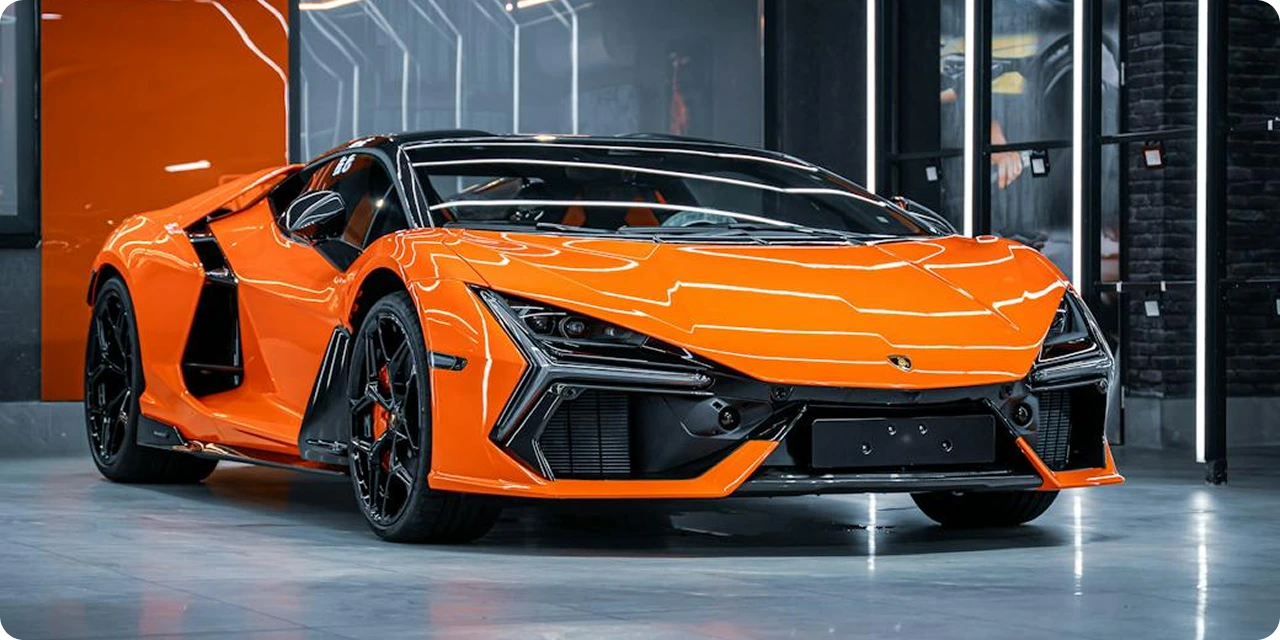
The day you bring home an electric car feels like stepping into the future. The cabin is silent, the finish is flawless, and the paint has a depth that catches the light beautifully. Then reality arrives. The first dust storm dulls the shine. A charging cable leaves a faint scuff near the port. A few careless washes add fine swirl marks to those wide, smooth panels, and the showroom glow begins to slip away.
This is why EV paint protection in India has become a serious question for electric car owners, and especially for those in a demanding city like Lucknow. An electric car is a significant investment, and its paint faces a particular mix of stresses that owners are right to think carefully about.
This blog gives you an honest comparison. It explains whether electric cars genuinely need different paint care, what truly sets their protection needs apart, how the Lucknow climate adds to the challenge, and how paint protection film, ceramic coating and graphene coating compare for an electric car. No marketing exaggeration. Just a clear and practical guide to protecting your EV well.
1. Why EV paint protection in India deserves a closer look
Electric cars are no longer a rare sight on Indian roads. They are arriving in driveways across the country, including many homes in Lucknow, and with them comes a fresh set of questions about care and protection.
A new kind of car owner
The typical electric car owner has often done a great deal of research before buying. They think carefully about efficiency, running costs and long term value. It is natural that the same careful thinking extends to protecting the paint, because a well kept finish is a large part of what keeps an EV looking and feeling premium.
Why the question is worth asking properly
Paint protection for electric cars is surrounded by a lot of noise. Some sources claim that EVs need an exotic and completely different kind of protection. Others suggest that an electric car needs nothing special at all. Neither extreme is honest, and an owner deserves a clearer answer than either.
What this guide will and will not claim
This blog will not pretend that electric cars use some mysterious paint that ordinary methods cannot touch. It will also not dismiss the genuine reasons that EV owners are right to take protection seriously. The aim is an honest middle path, grounded in how these cars are actually built and used.
Implications of getting this wrong
If you believe the hype, you may overspend chasing a problem that does not exist. If you believe the dismissive view, you may leave a valuable car underprotected through its most vulnerable early years. A clear understanding sits between the two, and it saves both money and regret.
Steps to take now
As you read on, hold your own electric car in mind. Think about how new it is, where it parks, how it is charged, and how long you plan to keep it. The right EV paint protection in India is the one that matches your specific car and your specific routine, not the one with the loudest sales pitch.
2. Do electric cars really need special paint care. The honest answer
It is best to answer the central question directly and without spin. Do electric cars use a special kind of paint that demands special protection. The honest answer is no, and also, in a practical sense, yes.
The honest truth about EV paint
The paint on an electric car is not a different technology from the paint on a modern petrol or diesel car. Car makers use the same paint suppliers and the same modern waterborne paint systems across electric and conventional models. There is no secret EV paint chemistry. Anyone who tells you otherwise is selling a story.
Where the genuine difference lies
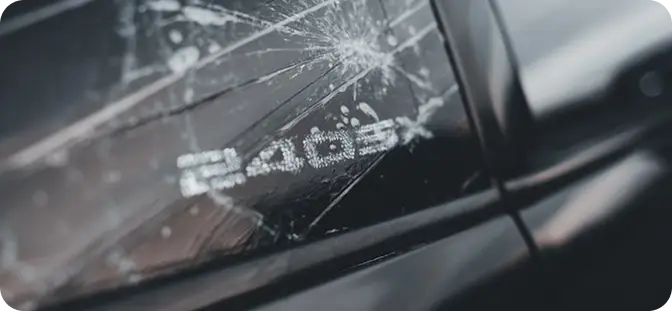
Here is the honest other half of the answer. Modern car paint, right across the industry, has become thinner and softer than the paint of older decades. Environmental rules pushed manufacturers toward water based paints, and cost and weight pressures pushed clear coats thinner. On many new cars the clear coat now measures only around 35 to 50 microns, which is thinner than a sticky note.
Electric cars sit at the sharp end of this trend. For an EV, every kilogram of weight affects driving range, so manufacturers have a strong reason to keep paint layers as light and thin as possible. The paint is not special, but the pressure that makes it thin is felt most keenly on electric cars.
Why this matters for your decision
A thinner and softer clear coat has less margin to absorb damage. Fine scratches and swirl marks appear more easily, and they cut closer to the colour beneath. This is the real and honest basis for taking EV paint protection seriously. It is not about exotic paint. It is about a slimmer factory shield on a high value car.
Steps to think clearly
When a studio explains EV protection to you, listen for this honesty. A trustworthy studio will tell you that the paint itself is ordinary modern paint, and that the case for protection rests on its thinness, your car value and how it is used. Vague talk of mysterious EV coatings is a sign to ask harder questions.
3. The real reasons electric cars deserve extra paint attention
Now that the honest groundwork is laid, here are the genuine and practical reasons that an electric car deserves careful paint protection. None of them involve magic. All of them involve common sense.
Thin paint with little margin
As explained, the modern clear coat is thin, and on a weight conscious electric car the margin is slimmer still. This means swirl marks form faster, stone chips reach the colour coat more easily, and aggressive correction later is risky because there is so little clear coat to work with. The sensible response is to protect early, before damage begins.
Large smooth panels that show every flaw
Electric cars are often designed with smooth, aerodynamic bodywork and wide, uninterrupted panels. Clean aerodynamics help driving range, but those large flat surfaces are also where swirl marks, water spots and dullness show most clearly. A flaw that might hide on a busy, creased panel stands out plainly on the broad door of an EV.
A high value car worth preserving
Most electric cars sold in India today are a serious purchase. Protecting the paint protects a meaningful part of the car value and its future resale appeal. A well kept finish signals a well cared for car, and that matters when the time comes to sell or exchange.
A car that is often charged and parked outdoors
Electric cars spend time at charging points, and many of those points sit in open car parks exposed to sun, dust and rain. The charging routine itself, which this blog will return to later, also creates a specific wear point that petrol cars simply do not have.
Implications of leaving these reasons unaddressed
Ignored together, these factors mean an electric car can lose its fresh finish surprisingly quickly. The decline is gradual, panel by panel, until one day the car simply looks tired well before its time.
Steps to act on these reasons
The clear takeaway is timing. Because the paint is thin and the panels are revealing, the best moment to protect an electric car is early, ideally soon after delivery while the finish is still flawless. Protection applied early preserves a perfect surface rather than trying to rescue a damaged one.
4. The Lucknow climate factor for an electric car
An electric car in Lucknow does not face a gentle environment. The local climate adds a real layer of stress on top of everything already discussed.
What Lucknow weather adds to the challenge
Lucknow runs through a hard yearly cycle. Summers are long and severe, with temperatures that climb past 40 degrees and strong ultraviolet light, as recorded by the India Meteorological Department. The hot months bring dust and gritty winds. The monsoon delivers heavy rain and high humidity. The post monsoon and winter weeks bring polluted, hazy air and heavy morning dew.
How the climate meets thin EV paint
Each of these stresses lands on that thin modern clear coat. Strong ultraviolet light fades an unprotected finish. Hard local water dries into mineral spots on a hot panel. City dust, dragged across the paint during a careless wash, leaves the swirl marks that show so clearly on the large panels of an electric car. Acidic, polluted air slowly works on the surface through the hazy months.
In other words, the Lucknow climate does not create a new problem for electric cars. It accelerates the existing one. The thin factory paint that already has little margin is asked to cope with one of the more demanding climates in the country.
Implications for an unprotected EV
An electric car driven and parked through the Lucknow seasons without good protection will show wear faster than the same car in a mild and sheltered climate. Fading, water spotting and a gradual loss of gloss arrive sooner than the owner expects.
Steps for the local seasons
The practical response is to pair early paint protection with sensible local habits. Park in shade where possible, rinse dust away before it bakes on, dry the car rather than letting droplets dry on hot panels, and clean gently. Protection and good habits together let an electric car hold its finish through the Lucknow year.
5. EV paint protection in India. Comparing PPF, ceramic and graphene
When you look into EV paint protection in India, you will meet three main options. They are not rivals so much as different tools, and the honest approach is to understand what each one does well.
Paint protection film
Paint protection film, often called PPF, is a clear thermoplastic film applied physically over the paint. It is the only option that genuinely defends against stone chips and physical scratches, because it adds a real and tough layer that absorbs impact. Many films also self heal minor marks with heat. For a thin paint EV, film on the high impact areas is the strongest form of protection. You can see how this is offered on the Colomoto paint protection film service page.
Ceramic coating
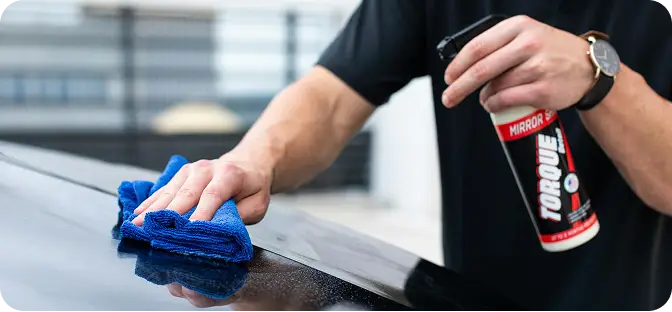
Ceramic coating is a liquid treatment that bonds to the clear coat and cures into a hard, glossy, water repelling layer. It does not stop stone chips, but it protects against ultraviolet fading, light chemicals and easy soiling, and it makes washing safer and simpler. For the large panels of an electric car, that easier and gentler washing genuinely helps reduce swirl marks.
Graphene coating
Graphene coating is an enhanced ceramic coating, built on the same base with graphene oxide added. Graphene is a carbon material studied closely by research institutions such as the University of Manchester. A graphene coating tends to last longer, holds its water resistance for longer, and carries an anti static quality that helps dust cling less. For an EV that lives outdoors and faces dust, this is a worthwhile refinement of the ceramic idea, and you can explore it through the Colomoto ceramic and graphene coating service.
How they compare for an electric car
| Factor | Paint protection film | Ceramic coating | Graphene coating |
|---|---|---|---|
| Stone chip and scratch defence | Strong, physical layer | Minimal | Minimal |
| Gloss and easy cleaning | Good | Excellent | Excellent |
| Ultraviolet and fade resistance | Good | Good | Good |
| Typical protection life | Around 7 to 10 years | Around 2 to 3 years | Around 5 to 7 years |
| Relative cost | Highest | Lowest | Middle |
The honest conclusion is that these options work best together rather than alone. The combination most studios recommend for a valued electric car is paint protection film on the high impact zones, with a ceramic or graphene coating over the rest of the body and on top of the film. The film handles physical damage, and the coating handles gloss, water and ease of care.
6. The EV specific spots that need targeted protection
Beyond the whole car finish, an electric car has a few particular areas that benefit from focused attention. This is where EV protection becomes genuinely specific rather than general.
The charge port area
This is the most clearly EV specific wear point, and it is one that many owners discover only after the damage starts. Every time the car is charged, a cable is plugged in, rested against the bodywork, and unplugged. Over hundreds of charging sessions, the paint around the charge port collects fine scratches and scuffs from the cable and the connector. A small piece of paint protection film around the charge port is a simple and inexpensive way to protect a spot that a petrol car never has to worry about.
The wide horizontal panels
The bonnet and roof of an electric car take the full force of the sun, the dust and the rain, and as large flat surfaces they show wear plainly. These panels deserve priority attention in any protection plan, whether through film, coating or both.
The lower body and rocker panels
The lower edges of the car catch road spray, grit and small stone strikes thrown up while driving. On an electric car with smooth side panels, scuffs along these lower areas are very visible. Film along the rocker panels and lower doors guards against this everyday road damage.
Implications of skipping these spots
An owner who protects the obvious panels but ignores these specific areas often ends up disappointed in the same predictable way, with a scuffed charge port surround and chipped lower edges on an otherwise well cared for car.
Steps for these vulnerable areas
When you plan EV protection, ask the studio specifically about the charge port surround, the front facing panels and the rocker panels. A studio that raises these areas without being prompted understands electric cars. Targeted film on these points is small in cost and large in everyday value.
7. So is special EV paint protection worth it. The honest verdict
After an honest look at the whole picture, here is the verdict on whether special paint protection for an electric car is worth it. For most EV owners a thoughtful protection plan is genuinely worthwhile, but the right scale of that plan depends on your car and your priorities.
When a fuller protection plan is clearly worth it
A fuller plan, meaning paint protection film on the high impact zones together with a ceramic or graphene coating, is clearly worth it for a new, high value electric car that parks outdoors, is driven daily, charges often, and that you intend to keep for years. The thin factory paint, the large panels and the charging wear point all argue for proper protection, and the cost is modest against the value of the car.
When a simpler plan is enough
If your electric car is older, already carries some wear, sleeps in a covered garage, and is driven gently, a simpler plan can be enough. A quality ceramic or graphene coating, with focused film only on the charge port and the front, protects sensibly without the cost of full film.
The honest middle ground
Many owners sit comfortably between these positions. A common and balanced choice is film on the bonnet, front bumper, mirrors and charge port, with a coating across the rest of the body. This covers the genuine risk areas without insisting on full body film for every car.
Implications of the decision
The honest point is that special EV paint protection is worth it not because electric cars are fragile, but because their paint is thin, their panels are revealing and their value is high. Matching the plan to the car is what makes the spend wise rather than excessive.
Steps to decide for your EV
Ask yourself how new the car is, where it parks, how often it charges, and how long you will keep it. The newer, more exposed and longer kept the car, the fuller the plan that makes sense. An older, sheltered, gently used EV can be protected well with a lighter and more focused approach.
8. Conclusion. Building a smart EV paint protection plan
The honest conclusion is reassuring and practical. Electric cars do not use a mysterious paint that ordinary care cannot handle. They use the same modern paint as other new cars, and that paint is simply thinner and softer than it once was. On a weight conscious, high value electric car with large and revealing panels, that thin finish is well worth protecting with genuine care.
A smart plan is built from honest parts. Paint protection film defends the high impact zones and the charge port against physical damage. A ceramic or graphene coating keeps the wider body glossy, water resistant and easy to clean. The Lucknow climate makes all of this more worthwhile, because heat, dust and monsoon accelerate the wear that thin paint already invites.
You do not need to feel pressured or confused by the choice. You now understand what is genuine and what is hype, which areas of an electric car matter most, and how the main options compare. That clear understanding is the foundation of a confident decision.
If you would like an honest and relaxed assessment for your electric car, the team at Colomoto can look at your vehicle, your parking and your charging routine and recommend a plan that fits. Thoughtful EV paint protection in India is not about fear or fashion. It is about keeping a fine electric car looking as impressive as the day you first drove it home.
Frequently asked questions
For most electric car owners it genuinely is. Modern EV paint is thin and soft, the panels are large and show flaws easily, and the cars are high in value. A protection plan matched to your car, rather than an oversized one, keeps the finish fresh and protects resale value at a modest cost.
No. Electric cars use the same modern waterborne paint systems as petrol and diesel cars from the same manufacturers. There is no separate EV paint chemistry. What is true is that modern paint in general is thinner and softer, and EVs sit at the sharp end of that trend because weight affects driving range.
There is no single best option, because the three main choices do different jobs. Paint protection film defends against stone chips and scratches. Ceramic and graphene coatings protect gloss and make cleaning easier. For a valued EV, a combination of film on the high impact zones and a coating elsewhere works best.
It depends on your priorities. If physical protection against stone chips and scratches matters most, paint protection film is the stronger choice. If gloss, ultraviolet protection and easy washing are the priority, a coating is enough. Many EV owners choose film on the front and charge port, with a coating across the body.
The charge port is a genuine EV specific wear point. Every charging session involves plugging in, resting and unplugging a cable, and over hundreds of sessions the surrounding paint collects fine scratches and scuffs. A small piece of paint protection film around the charge port prevents this everyday damage.
As early as possible, ideally soon after delivery. Modern EV paint is thin, so swirl marks and chips form quickly. Protecting the car while the finish is still flawless preserves a perfect surface, which is far better than trying to correct damage on a thin clear coat later.
Yes. Lucknow brings intense summer heat and ultraviolet light, heavy dust, a strong monsoon and a hazy, polluted winter. These stresses land on the thin modern clear coat and accelerate fading, water spotting and swirl marks, which makes early and well planned protection more worthwhile for a Lucknow EV.
Yes, and it is a common and effective combination. Paint protection film is applied first for physical protection, and a ceramic or graphene coating is then applied on top to add gloss, water resistance and easy cleaning. A coating should not be applied first, because film does not bond well over it.
Helpful resources
For further reading on the climate and the science behind these coatings, these high authority sources are useful.
Resources We Used
This guide is based on real world ownership experience, material science, and Lucknow climate data. Here are the trusted sources used in its preparation:
- India Meteorological Department The official source for Lucknow and Uttar Pradesh weather and seasonal data, including temperature and UV records.
- University of Manchester graphene research A leading research institution for understanding what graphene genuinely is and how it behaves as a material in coatings.
Ready for honest EV paint protection advice in Lucknow
Call or WhatsApp Colomoto on +91 7388800192 for a relaxed consultation on protecting your electric car. The team will assess your EV, your parking and your charging routine, and recommend a sensible mix of paint protection film and coating with no pressure and complete transparency. Visit 323, Sultanpur Road, Arjunganj, Ahmamau, Lucknow for an in person paint assessment, open Thursday to Tuesday between 9 am and 7 pm. Email info@colomoto.in with any questions about caring for your electric car through the Lucknow seasons.

