

 May 21, 2026
Is Graphene Coating
Worth It in the Lucknow
Climate. Is the Premium Worth It
Last updated. 21 May 2026. Reading time. 13 minutes.
You park your car outside your home in Lucknow, and you already know what the city will do to it. Summer will bake the bonnet. A dust storm will coat every panel in fine grit. The monsoon will hammer it with rain, and the post monsoon weeks will settle a film of grey haze over the paint. By the time the winter fog arrives, the showroom shine you once admired feels like a distant memory.
This is the real reason the question is graphene coating worth it matters so much in this particular city. A coating that performs well in a mild, sheltered climate may struggle here, and a premium that looks generous on paper may turn out to be money well spent once the Lucknow weather goes to work.
This blog answers the question honestly and in detail. It walks through each season the city throws at your car, explains how graphene coating responds to each specific stress, compares it fairly with ceramic coating and bare paint, and helps you decide whether the premium genuinely earns its place for your vehicle. No hype. Just a clear, climate by climate look at what you are really paying for.
1. Why the Lucknow climate is the real test for any car coating
Most coating advice is written as though every car lives in the same gentle weather. It does not. The honest starting point for any Lucknow car owner is that this city is genuinely demanding on paint, and that fact changes the value of every coating decision you make.
A city of four hard seasons
Lucknow sits in the northern plains of India and runs through four distinct and difficult seasons. Summer brings extreme heat and hot dry winds. The monsoon brings heavy rain and humidity. The post monsoon weeks bring some of the worst air quality of the year. Winter brings fog and heavy dew. As the India Meteorological Department records for this region, summer temperatures here regularly climb past 40 degrees and can approach 47 to 48 degrees in the harshest spells.
Why climate decides the worth it question
A coating is, at heart, a shield against the environment. Where the environment is mild, even a basic shield looks impressive. Where the environment is harsh, the quality of the shield is exposed quickly. This is why the answer to whether a premium coating is worth it cannot be separated from the climate the car actually lives in.
What this means before you compare coatings
For a Lucknow car owner, the relevant question is not simply whether graphene coating is good. It is whether graphene coating handles the specific stresses of this city well enough to justify its price. That is a far more useful question, and it is the one this blog sets out to answer.
Implications if you ignore the climate
If you choose a coating without thinking about local weather, you may underprotect a car that faces severe conditions, or overspend on a car that lives a sheltered life. Climate is the missing piece in most coating decisions, and putting it back at the centre makes the whole choice clearer.
Steps to take now
As you read the next sections, keep your own car in mind. Think about where it parks, how far it travels each day, and how exposed it really is. The honest answer to the worth it question is personal, and it depends on how hard your particular car has to work against the Lucknow weather.
2. The summer test. Extreme heat, ultraviolet and the loo
Summer is the season that exposes a weak coating fastest, and in Lucknow it is both long and severe.
What summer does to your paint
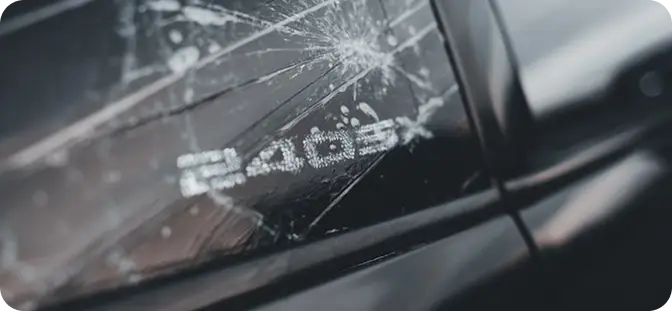
From March to June, the city heats up sharply. Daytime temperatures climb past 40 degrees, and a parked car bonnet grows far hotter still under direct sun. Strong ultraviolet light attacks the clear coat, slowly fading and dulling the colour. The hot, dry wind that Lucknow knows as the loo carries fine dust that scours the surface. When you wash the car and the hard local water dries on a scorching panel, it leaves stubborn white mineral spots.
How graphene coating responds
Graphene coating is built on a ceramic base, and graphene itself is a carbon material studied closely by research bodies such as the University of Manchester. In a coating, it adds a few honest advantages that matter in this season. It carries strong protection against ultraviolet light, which slows the fading that summer causes. It tends to resist water spotting better than standard ceramic, because the surface manages drying more evenly. Its anti static behaviour means the fine summer dust clings less and rinses away more easily.
One honest clarification belongs here. Graphene is sometimes sold as a dramatic heat shield that cools the car. A coating layer is only a few microns thick, so it cannot meaningfully lower your panel temperature. What it genuinely does is resist the spotting, etching and fading that the heat brings. That is a real and useful benefit, described accurately.
Implications of facing summer unprotected
A car that goes through several Lucknow summers without good protection shows it plainly. The paint loses depth, the colour shifts slightly, and water spots build into a permanent haze. These changes are gradual, which is why many owners do not notice until the damage is already years deep.
Steps for the summer months
Whatever coating you choose, support it through summer. Park in shade where you can, rinse off dust before it bakes on, and avoid washing the car on a panel that is hot to the touch. A graphene coating handles this season well, but sensible habits let any coating perform at its best.
3. The dust and air pollution test. Living in the northern plains
If summer is about heat, much of the rest of the Lucknow year is defined by something just as relentless. Dust and polluted air.
What the air does to your car
Lucknow sits in one of the more polluted regions of the country. Construction dust, vehicle exhaust and fine particulate matter hang in the air for much of the year, and they settle constantly on every parked car. The post monsoon weeks are often the worst, when still air traps a grey haze low over the city. This is not only an eyesore. Acidic pollutants and gritty particles slowly attack an unprotected clear coat, and dust dragged across paint during careless washing creates fine swirl marks.
How graphene coating responds
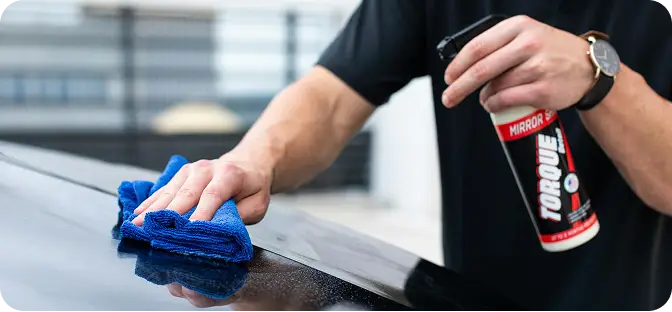
This is where graphene coating shows one of its most genuine and underrated strengths. Its anti static surface gives dust far less to grip. A graphene coated car holds a film of grime less aggressively, so it looks cleaner for longer and rinses down more easily. The hard, slick ceramic base also gives acidic fallout less chance to bond with the paint, provided you remove contamination reasonably promptly.
For a sense of the scale of the challenge, public air quality data for Lucknow, published by government bodies such as the Central Pollution Control Board, shows particulate levels that climb sharply through the post monsoon and winter months.
Implications of constant grime
A car constantly coated in city grime is not just unattractive. Every time dust sits on bare or poorly protected paint and is then wiped or washed, it risks leaving fine scratches. Over the years, this is how a glossy finish slowly turns into a dull one.
Steps for dusty months
Use a gentle rinse before any contact wash, so that loose dust is floated away rather than rubbed in. With a graphene coating, this routine becomes easier and more effective, because far less grime is holding on in the first place. The coating does not remove the need to wash, but it makes each wash safer for the paint.
4. The monsoon test. Heavy rain, humidity and hard water
When the monsoon arrives in July, the stress on your car changes character completely.
What the monsoon does to your paint
The Lucknow monsoon brings heavy and frequent rain through to mid September. Rainwater is rarely pure. It mixes with the pollutants sitting in the air and can fall as mildly acidic rain that, left to dry on the paint, leaves marks. Humidity stays high, and a car parked under a tree collects sap, bird droppings and leaf debris that become more harmful in damp conditions. Standing water and trapped moisture are also when neglected metal begins to suffer.
How graphene coating responds
The monsoon is where the water behaviour of a coating earns its keep. A graphene coating is strongly hydrophobic, so rain beads tightly and runs off quickly, carrying loose dirt away with it. This self cleaning effect is genuinely useful through a wet season. Because graphene coatings tend to hold their water repelling behaviour longer than standard ceramic, this benefit reaches deeper into the coating life. A surface that sheds water cleanly also gives acidic rain less time to settle and etch.
Implications of a wet and humid season
On unprotected paint, a monsoon leaves its signature. Faint rings from dried droplets, dull patches where contamination sat too long, and the early stages of damage where moisture was allowed to linger. None of this is dramatic on any single day, which is exactly why it is so easy to miss until it has quietly accumulated.
Steps for the monsoon
Do not let the rain become your only wash. Rinse the car when you can, dry it rather than leaving it to air dry, and remove bird droppings and tree sap promptly. A graphene coating makes all of this less urgent and less stressful, because water and grime simply have less hold on the surface.
5. The winter and post monsoon test. Fog, dew and smog season
The cooler half of the Lucknow year looks gentle, but it carries its own quiet stresses for your paint.
What winter brings to your car
From November to February, Lucknow mornings often begin under thick fog and heavy dew. Every parked car wakes up wet, even when no rain has fallen. This is also the smog season. Still, cold air traps pollution close to the ground, and a fine layer of grimy particulate settles on the car overnight. The combination of damp surfaces and settled pollution is not kind to an unprotected finish.
How graphene coating responds
Dew and fog are simply more water, and a graphene coated surface handles water well. Moisture beads and slides rather than sitting in a flat sheet, so the car dries faster and more cleanly once the sun is up. The anti static surface again means the morning film of smog particulate clings less and wipes away with less effort. Through the haze season, this is a daily, practical convenience as much as a protective one.
Implications of the haze season
The real risk in winter is complacency. Because the weather feels mild, owners often wash less carefully and wipe a dewy, dusty car with a dry cloth. That single habit grinds fine particulate into the paint and creates the swirl marks that show up so clearly in the spring sunshine.
Steps for the cooler months
Resist the urge to dry wipe a dusty, dewy car. Rinse first, then dry gently. A graphene coating reduces how much grime is clinging in the first place, but the right habit still protects your paint through the months when it is easiest to get careless.
6. Graphene coating against ceramic and bare paint in Lucknow conditions
Having looked at each season, it helps to step back and compare your three real options through the single lens of Lucknow weather.
Bare paint in this climate
Factory paint with no protection is the most exposed choice. It fades under summer ultraviolet, spots in hard water, holds dust and city grime, and slowly dulls through repeated washing. In a mild climate, bare paint can look acceptable for years. In Lucknow, the decline is visibly faster.
Ceramic coating in this climate
A quality ceramic coating is a real and worthwhile upgrade. It adds gloss, repels water, resists ultraviolet, and makes washing easier. For a Lucknow car, ceramic coating handles the climate well for around two to three years before it needs renewal. It is the sensible and economical middle option.
Graphene coating in this climate
Graphene coating takes the same ceramic base and adds the qualities that matter most against Lucknow weather specifically. It holds its water repelling behaviour longer, which suits the long wet monsoon. Its anti static surface fights the city dust and the smog season more effectively. Its protection commonly lasts longer overall, which means fewer renewal cycles across the years. You can see how a complete package is structured on the Colomoto ceramic and graphene coating service page.
A simple climate based comparison
| Lucknow climate stress | Bare paint | Ceramic coating | Graphene coating |
|---|---|---|---|
| Summer heat and ultraviolet | Poor, fades fast | Good protection | Good protection |
| Dust and city grime | Holds grime heavily | Better, slick surface | Best, anti static surface |
| Hard water spotting | Spots easily | Resists reasonably | Resists better |
| Monsoon rain and humidity | Marks and lingers | Sheds water well | Sheds water well for longer |
| Typical protection life | None | 2 to 3 years | 5 to 7 years |
Read through the Lucknow lens, the picture is clear. Both coatings beat bare paint comfortably. Graphene holds a genuine, if measured, edge over ceramic in exactly the areas this city stresses most, which are dust resistance, water behaviour and length of protection.
7. So is graphene coating worth it in Lucknow. The honest verdict
After walking through every season, here is the honest answer to whether graphene coating is worth it in the Lucknow climate. For many owners in this city it genuinely is, but not for every owner, and the deciding factor is how exposed your particular car really is.
When graphene coating is clearly worth it
Graphene coating earns its premium when your car lives a hard Lucknow life. If it parks outdoors with no shade, travels daily through dust and traffic, faces the full summer sun, and you plan to keep it for four years or more, the longer protection and the dust and water advantages are used constantly. Across several years, the premium quietly returns its value through fewer renewal cycles and a finish that holds up far better.
When ceramic coating is the wiser spend
If your car sleeps in a covered garage or basement, is driven only occasionally, or is likely to be sold within two or three years, ceramic coating is the more sensible choice. It still protects very capably against the Lucknow climate, and the graphene premium would buy durability that your ownership simply will not use.
The honest middle ground
There is also a fair middle position. For a car that is partly sheltered and moderately driven, either coating is defensible. In that case the decision can rest on your budget and on how long you intend to keep the car, rather than on climate alone.
Steps to decide for your own car
Ask yourself four plain questions. Does the car park in the open. Is it driven daily through the city. Will you keep it for four years or more. Do you want the lowest possible maintenance effort through dust and monsoon. The more of these you answer yes to, the more clearly graphene coating is worth it for your situation. If most answers are no, ceramic coating is an honest and economical choice you can make with full confidence.
8. Conclusion. Is graphene coating worth it for your Lucknow car
The honest conclusion is calm and practical. The Lucknow climate is genuinely hard on car paint, season after season, through heat, dust, rain, smog and fog. Any quality coating is a real improvement over bare paint. Graphene coating, which is an enhanced version of ceramic rather than a separate technology, adds the specific strengths this city tests hardest, namely longer lasting water resistance, better defence against dust, and a longer overall life.
Whether that premium is worth it for you comes down to your own car. For an outdoor parked, daily driven car that you intend to keep for years, graphene coating is a sound and sensible investment. For a sheltered, lightly used or soon to be sold car, ceramic coating protects honestly at a gentler price.
You do not need to feel uncertain about this decision any longer. You understand what the Lucknow weather does, how each coating answers it, and which profile your own car fits. That clarity is exactly what a good decision needs.
If you would like a straightforward and relaxed assessment, the team at Colomoto can look at your car, your parking and your driving and give you an honest recommendation. Whether the right answer is ceramic or graphene, deciding clearly whether graphene coating is worth it for your Lucknow car is what keeps your paint protected and glossy through every season the city brings.
Frequently asked questions
For many Lucknow cars it genuinely is. The city brings extreme heat, heavy dust, a long monsoon and a smog season, and graphene coating answers those stresses with longer water resistance, better dust defence and a longer overall life. It is most worth it for an outdoor parked, daily driven car kept for several years.
It protects against the effects of heat rather than the heat itself. A coating layer is far too thin to cool a panel, so it does not lower the temperature. What graphene coating does well is resist the ultraviolet fading and the hard water spotting that the long Lucknow summer causes.
This is one of its strongest practical benefits. The anti static surface of graphene coating gives dust and grime far less to grip, so a coated car stays visibly cleaner for longer and rinses down more easily. In a dusty, polluted city, that means fewer risky washes and less swirl marking over time.
Yes. Graphene coating is strongly hydrophobic, so monsoon rain beads and runs off quickly, carrying loose dirt with it. Because graphene tends to hold its water repelling behaviour longer than standard ceramic, this self cleaning effect lasts well through the long wet season.
Graphene coating is commonly rated for five to seven years, against two to three years for standard ceramic. The real figure depends on parking, driving and maintenance. A garage kept and well washed car will see the upper end, while a hard driven, outdoor parked car will see less.
In the areas this climate stresses most, yes, by a measured margin. Graphene coating resists dust better, holds its water resistance longer and lasts longer overall. Ceramic coating is still very capable and more affordable, so the better choice depends on your budget and how long you keep the car.
A garage kept car faces far less heat, dust and rain, so the case for the graphene premium is weaker. For a sheltered car, a quality ceramic coating usually protects perfectly well. Graphene becomes more worthwhile as the car spends more of its life parked in the open.
No coating replaces washing. Graphene coating makes washing easier and less frequent because dust and grime cling less, but a Lucknow car still needs regular, gentle cleaning. The coating reduces the effort and the risk of each wash rather than removing the need for it.
Helpful resources
For further reading on the climate and the science behind these coatings, these high authority sources are useful.
Resources We Used
This guide is based on climate data, material science, and honest on-the-ground experience in Lucknow. Here are the trusted sources used in its preparation:
- India Meteorological Department The official source for Lucknow and Uttar Pradesh weather and seasonal data.
- Central Pollution Control Board Government air quality information that explains the dust and pollution load a Lucknow car faces.
- University of Manchester graphene research A leading research institution for understanding what graphene genuinely is and how it behaves as a material.
Ready for an honest coating assessment in Lucknow
Call or WhatsApp Colomoto on +91 7388800192 for a relaxed consultation on whether graphene coating is worth it for your specific car and the way you use it in Lucknow. The team will assess your paint, your parking and your driving routine, and recommend ceramic or graphene with no pressure and complete transparency. Visit 323, Sultanpur Road, Arjunganj, Ahmamau, Lucknow for an in person paint assessment, open Thursday to Tuesday between 9 am and 7 pm. Email info@colomoto.in with any questions about protecting your car through the Lucknow seasons.

