


 May 21, 2026
What Actually Ruins
Car Paint in India.
The Top 10 Enemies
Last updated. 21 May 2026. Reading time. 12 minutes.
Ask most car owners what ruins car paint, and they will picture something dramatic. A careless scratch in a car park, a stone thrown up on the highway, a knock from another door. These things are real, but they are not the whole story, and they are not even the main part of it.
The truth is quieter, and far more useful to know.
This guide is a friendly, practical look at what ruins car paint in India, set out as the top ten enemies your car's finish actually faces. It explains each one plainly, then compares them honestly, because the things that genuinely ruin paint over a car's life are mostly ordinary, slow and easy to overlook. There is nothing to decide here, only a clear and useful picture to gain.
1. Why knowing what ruins car paint matters
Before listing the ten enemies, it is worth understanding why this picture is genuinely worth having.
The dramatic damage owners imagine
When people think about paint damage, they think of sudden, visible events. A scratch, a chip, a dent. These are easy to picture because they happen in a moment and are immediately obvious. They feel like the main threat to a car's finish.
The quiet damage that does more harm
In reality, the dramatic events are only a small part of what ruins paint. Most paint damage is slow, ordinary and almost invisible day to day. It is the sun working away month after month, the dust, the bird dropping left for a day, the wrong kind of wash repeated for years. The real enemies are mundane and constant, not rare and sudden.
What this guide will show you
This guide names the ten enemies your car's paint genuinely faces in India, grouped into three sensible kinds, the climate, the things that land on the paint, and the enemies of contact and habit. It explains each one simply, so the whole picture becomes clear.
Implications of not knowing the real enemies
An owner who only watches for dramatic damage misses the things that actually wear a finish out. They may guard against a rare stone chip while letting the sun, the dust and an incorrect washing routine quietly ruin the paint over years. Knowing the real enemies corrects that focus.
Steps to take now
As you read, simply notice which of the ten enemies your own car meets most often, given where it is parked and how it is used. That awareness, by itself, is most of the value this guide offers.
2. Enemies 1 to 4. The climate
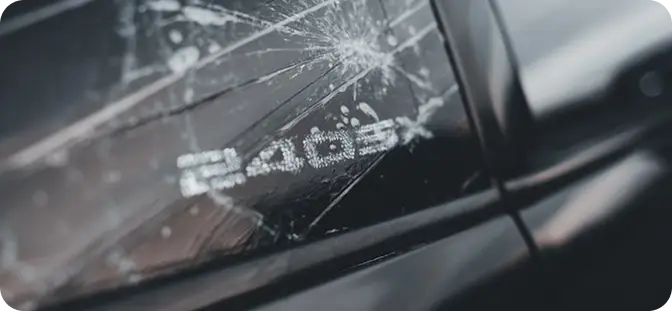
The first group of enemies comes from the environment your car lives in. In India, the climate is one of the hardest forces a finish faces.
Enemy 1. The sun and ultraviolet light
The single greatest enemy of car paint is the sun. Ultraviolet light slowly breaks down the clear coat and fades the colour pigments, leaving paint dull, flat and oxidised over time. It works on every car parked under the open sky, every day, and its damage is cumulative. Lucknow sun data from the India Meteorological Department shows how intense this exposure is, and our summer car care guide looks at it in depth.
Enemy 2. Extreme heat
Heat is the sun's close partner. A panel in direct sun grows far hotter than the air around it, and that heat softens the clear coat, speeds up chemical reactions on the surface, and bakes any contaminant on hard and fast. Heat rarely acts alone. It makes almost every other enemy worse.
Enemy 3. Acid rain and the monsoon
Rain is not the clean water it appears to be. As it falls through polluted air, it picks up acidic compounds, so the rain that dries on your car can leave faint etching and deposits. Monsoon rain, and the muddy grime it carries, adds to this. Our monsoon car care guide covers the wet season fully.
Enemy 4. Air pollution and its grimy film
The fourth climate enemy is pollution. The dust, smoke and industrial particles in the air settle on a car as a fine, grimy and slightly acidic film, especially heavy in the cooler months. Left to sit, this film feeds oxidation and dulls the finish, as our winter car care guide explains. Pollution levels are tracked by the Central Pollution Control Board.
3. Enemies 5 to 7. What lands on the paint
The second group is made up of things that physically land on your car and, if left, work on the finish.
Enemy 5. Bird droppings
Bird droppings are far more harmful than they look. They are acidic, and on a warm panel they can begin to etch into the clear coat within hours, leaving a permanent dull mark even after the dropping is gone. The danger is not the dropping itself but leaving it in place. Removed promptly and gently, it does little harm.
Enemy 6. Tree sap and resin
Tree sap is the sticky enemy. It bonds firmly to the paint, is mildly acidic, and can stain and etch the clear coat, becoming harder to remove as it dries and hardens. A car parked under trees collects it steadily. Like droppings, sap is best softened and lifted gently rather than scraped.
Enemy 7. Dust and abrasive grit
Dust seems harmless, but it contains fine, hard mineral grit. Settled dust on its own does little. The harm comes when that grit is dragged across the paint, usually by wiping a dusty car with a dry cloth, which cuts tiny scratches into the clear coat. Our car dust protection guide explains this in detail.
4. Enemies 8 to 10. Contact and habit
The third group covers physical contact with the paint, including, importantly, the contact we cause ourselves.
Enemy 8. Stone chips and road debris
Stone chips are the most dramatic enemy on this list, and the one owners picture first. Small stones and grit thrown up by traffic strike the paint and can chip it, sometimes through to the metal. They are part of driving, and largely unavoidable, though following at a safe distance helps.
Enemy 9. Hard water and water spots
Water itself is harmless, but the minerals in hard water are not. When hard water dries on a panel, especially in the sun, it leaves chalky mineral spots that can etch faint rings into the finish over time. Letting a car drip dry, or washing in direct sun, is what allows these spots to form.
Enemy 10. Incorrect washing and wiping
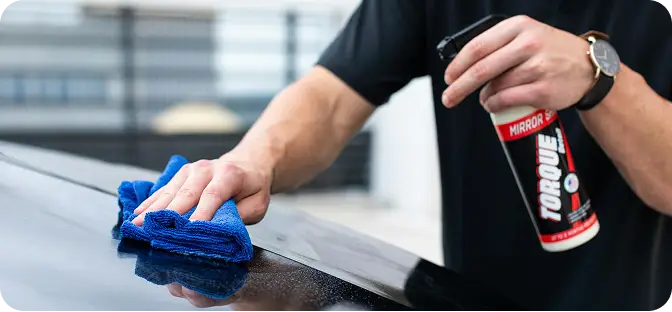
The tenth enemy is the one most owners never suspect, because it arrives disguised as care. Washing and wiping a car with rough cloths, dirty mitts, harsh chemicals or poor technique drags grit across the paint and fills the clear coat with fine swirl marks. Done wrongly and repeatedly, the very act of cleaning a car becomes one of the things that most ruins its paint.
5. The honest comparison. Which enemies do the most damage
With all ten enemies named, an honest comparison is genuinely useful, because the ten are not equal, and owners often fear the wrong ones.
Not all ten enemies are equal
Some enemies are dramatic but rare. Some are quiet but constant. Some do their damage in hours, others over years. And crucially, some are almost entirely within your control, while others are not. Treating all ten as one undifferentiated threat is not helpful. Seeing them honestly is.
What owners fear, and what genuinely ruins paint
Owners tend to fear the dramatic enemies most, especially stone chips. Yet a stone chip, while annoying, is localised. The enemies that genuinely ruin a finish over a car's whole life are the quiet, constant ones, above all the sun, and the slow build up of damage from dust and incorrect washing. The fear and the reality often point in different directions.
The enemy most within your control
Here is the honest heart of the comparison. The sun is powerful but hard to escape entirely. Stone chips are largely a matter of chance. But incorrect washing, one of the most damaging enemies of all, is completely within your control, because it is simply a habit. The most underestimated paint enemy is also the most fixable one, which is genuinely good news.
| Enemy | What it is like | The honest truth |
|---|---|---|
| The sun and heat | A constant, slow pressure | Ruins more paint over a car's life than any single dramatic event |
| Incorrect washing | A self inflicted, repeated habit | The most underestimated enemy, and the most controllable |
| Bird droppings and tree sap | Occasional but fast acting | Nearly harmless if removed promptly, damaging if left to sit |
| Dust and grit | Constant, but harmful mainly through wrong wiping | The dust is minor, the wiping is the real harm |
| Acid rain, pollution and hard water | Films and deposits left to sit on the paint | Slow, and easily reduced by regular washing |
| Stone chips and road debris | Sudden and dramatic | What owners fear most, yet localised and the least avoidable |
Implications of misjudging the enemies
An owner who misjudges the enemies guards the wrong gate. They may worry endlessly about stone chips while wiping the car dry every morning and parking it in full sun all year. Understanding which enemies genuinely matter lets attention go where it actually helps.
Steps to weigh the ten honestly
When you think about protecting your car, weigh the ten by how constant they are and how much you can control. Give your attention first to the quiet, constant, controllable enemies, the sun, the dust, the washing routine. That is where care makes the greatest difference.
6. Conclusion. Knowing what ruins car paint, and protecting against it
Understanding what ruins car paint turns out to be reassuring rather than worrying. The damage a finish suffers is rarely the work of one dramatic event. It is the slow, combined work of ten ordinary enemies, the sun, heat, acid rain and pollution from the climate, the bird droppings, sap and dust that land on the paint, and the stone chips, hard water and incorrect washing of daily contact and habit.
The honest comparison makes the picture clearer still. The enemies owners fear most, like stone chips, are often the least of the real threat, while the quiet, constant ones, especially the sun and an incorrect washing routine, do the most damage over a car's life. And the most underestimated enemy of all, incorrect washing, is also the one most completely within your control.
You do not need to act on anything today. This has simply been a clear map of what your car's paint is up against, so that whenever you do think about caring for it, your attention goes to the things that genuinely matter.
If you would like to explore any enemy more deeply, our guides to summer car care, winter car care and car dust protection continue in the same friendly spirit. And if a question ever comes up about your car's finish, the team at Colomoto is always happy to share honest advice with no pressure at all. Knowing what ruins car paint simply means you will always understand what your car is facing, and that is the first and best step in caring for it.
Frequently asked questions
Over a car's whole life, the quiet, constant enemies do the most damage, especially the sun and the slow build up of fine scratches from incorrect washing. Dramatic events like stone chips feel worse but are localised. The biggest, most underestimated and most controllable enemy is an incorrect washing and wiping routine.
Yes, significantly. The sun's ultraviolet light slowly breaks down the clear coat and fades the colour, leaving paint dull and oxidised over time. It is widely considered the single greatest enemy of car paint, because it works on every car parked under the open sky, every day, and its damage builds up cumulatively.
Yes. Bird droppings are acidic, and on a warm panel they can begin to etch into the clear coat within hours, leaving a permanent dull mark even after the dropping is removed. The harm comes from leaving them in place. Removed promptly and gently, bird droppings do little lasting damage.
Yes, if it is done incorrectly, and this surprises many owners. Washing and wiping with rough cloths, dirty mitts, harsh chemicals or poor technique drags grit across the paint and fills the clear coat with fine swirl marks. Done wrongly and repeatedly, cleaning becomes one of the things that most ruins paint.
Yes. Tree sap is sticky and mildly acidic. It bonds firmly to the paint and can stain or etch the clear coat, and it becomes harder to remove as it dries and hardens. A car parked under trees collects it steadily, so sap is best softened and lifted gently, never scraped, as soon as it is noticed.
Water spots are the chalky marks left when hard water dries on a panel, especially in the sun. The minerals in the water are left behind and can etch faint rings into the finish over time. Drying the car properly, and not washing in direct sun, prevents most water spotting.
The most effective steps are simple. Park in shade where possible, wash regularly but with correct, gentle technique, remove bird droppings and sap promptly, and never wipe a dusty car dry. A protective layer, such as a wax or a ceramic coating, adds a further shield. Attention to the ordinary enemies matters most.
Rain can be mildly harmful. As it falls through polluted air, it picks up acidic compounds, so rain that dries on a car can leave faint etching and deposits. Monsoon rain also carries grime. Rain is not a dramatic enemy, but rinsing and drying the car after heavy or prolonged rain is sensible.
Helpful resources
For background on the climate and pollution that affect car paint in India, these government sources are useful.
Resources We Used
This guide draws on publicly available climate and air quality data for India. Here are the official sources if you want to explore further:
- India Meteorological Department The official source for sun, heat and seasonal weather data for Lucknow and India, for understanding the UV and temperature exposure that affects car paint.
- Central Pollution Control Board Government air quality information that explains the pollution and particulate load a car's paint faces, especially in the cooler months.
A friendly word about protecting your paint
This guide has simply been a clear map of what car paint faces, and there is nothing you need to act on today. If a question ever comes up about your car's finish, or you would like friendly, honest advice with no pressure, the team at Colomoto is always happy to help. Call or message on +91 7388800192, email info@colomoto.in, or visit 323, Sultanpur Road, Arjunganj, Ahmamau, Lucknow, open Thursday to Tuesday between 9 am and 7 pm. Knowing the enemies is the first step, and a calm, well cared for car follows naturally from it.

